Still Using Canva and AI for Your Brand? It’s Time to Rethink Your Design Strategy
Making a post has never been easier. Making a brand people remember is a different job.
Open Instagram right now and scroll for thirty seconds.
Clean layouts. Soft gradients. A bold headline, a rounded button, a pastel palette. Beautiful, sure. But if you covered the logos, could you tell which brand posted what?
Today almost anyone can create a social media post in ten minutes, using Canva or an AI image generator. That’s genuinely great. But it raises a question worth sitting with: if everyone can make a good-looking post, what makes a brand look like itself?
The Tool Was Never the Problem
Let’s be clear: Canva and AI are brilliant. They’ve made design accessible to founders, freelancers and small teams who once had no way to put out professional-looking work. Nobody should feel bad for using them.
The trouble starts when the tool becomes the strategy.
A template is built for thousands of people at once. An AI visual is generated from patterns that already exist. Neither knows your audience, your price point, your story or the feeling you want someone to have when they see your name. So, without a clear brand direction, the output slowly drifts towards the same look as everyone else’s.
What a Distinctive Brand Actually Runs On
Distinctiveness doesn’t come from one clever visual. It comes from a few decisions, made early and kept consistent.
· Brand identity. Before colours and fonts, there’s a simpler question: who are you, and who are you talking to? A premium jewellery label and a fast-growing logistics company can’t speak in the same visual voice, even if both use the same app.
· Typography. Fonts quietly set the tone. A sharp serif feels established. A rounded sans feels friendly. A default font feels like nobody chose it. People rarely notice type consciously, but they feel it.
· Colour choices. Colour isn’t decoration. It’s memory. The brands people recall instantly usually own a small, deliberate palette and repeat it everywhere, rather than picking whatever looks nice this week.
· Visual consistency. This is the one most teams struggle with. Your Instagram, brochure, website and packaging should feel like one family. When each is designed separately from a different template, customers get a mixed message, and a mixed message weakens trust.
· Audience perception. Your design is read before your copy is. In a couple of seconds, someone decides whether you look credible, affordable, premium or temporary. That judgement shapes everything that follows.
Where Professional Graphic Design Earns its Place
Here’s the honest picture from the agency side. Templates are good at getting a post out. They’re less good at getting a buyer to trust you.
Brands tell us that their Canva or AI-led creatives collect likes but rarely bring in genuine enquiries. That’s not surprising. People don’t enquire because a post looked nice. They enquire because a brand looked like it knew what it was doing.
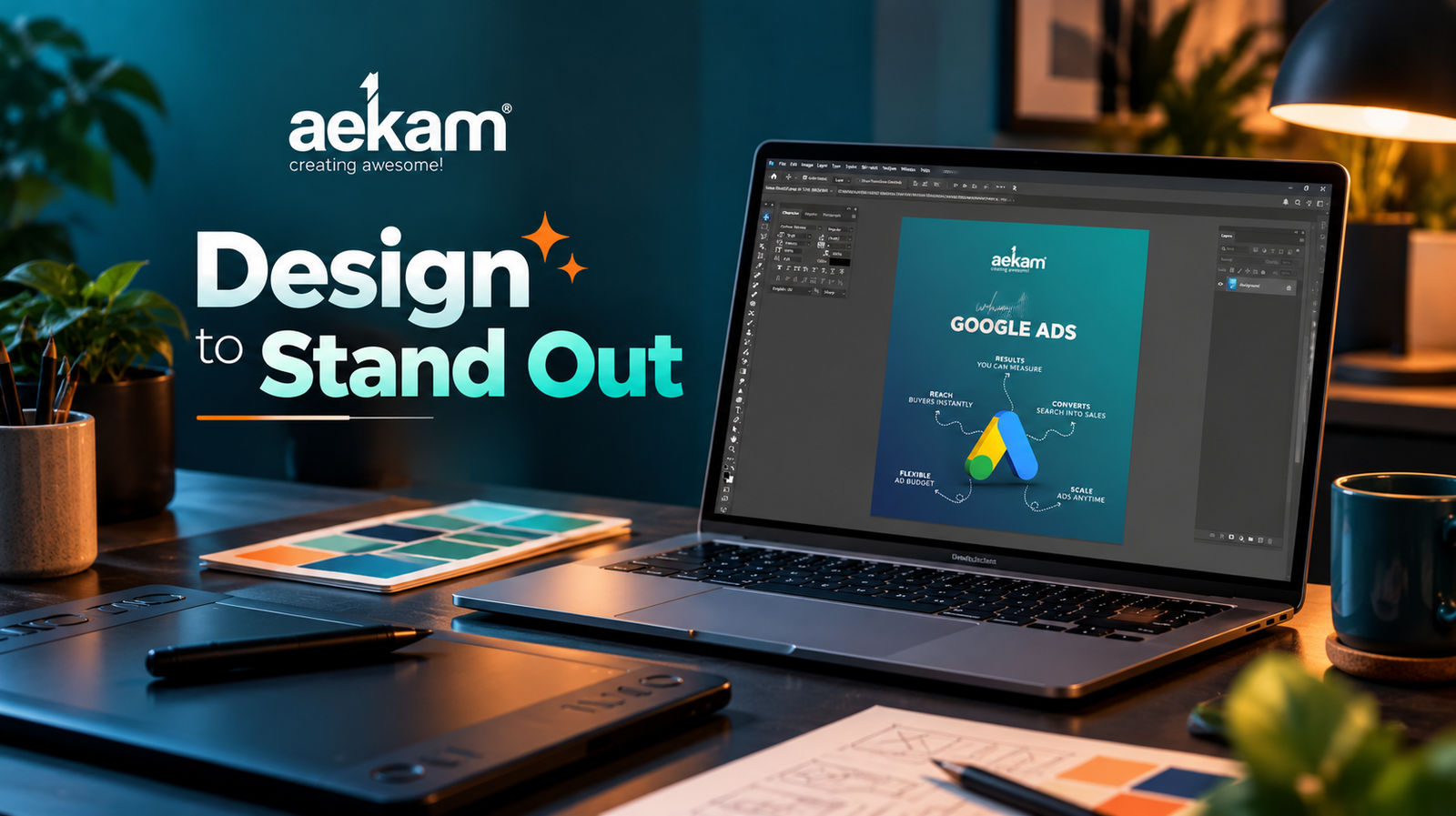
That’s where professional, custom design changes the result. Working in tools like Adobe Illustrator, Photoshop and InDesign, a designer isn’t filling a layout. They’re building one from scratch, around your brand.
A logo drawn as a vector, so it stays crisp on a business card and on a hoarding.
Custom graphics and illustrations that no competitor can download.
Typography that’s adjusted by hand, not left on default spacing.
Packaging, brochures and social media creatives that share one visual language.
Colour systems tested for print and screen, so your red stays your red.
This is what we’d call premium. It isn’t about being fancier. It’s about being intentional, because every detail was decided rather than inherited from a template.
For a business, the payoff is practical. A reliable graphic design agency helps you stand out in a crowded feed and also in a crowded market. Customers who see consistent, considered design start to recognise you before you say a word. Over time, that recognition becomes brand recall and brand recall becomes preference.
The smartest way to use both
This isn’t a Canva-versus-designer debate. The smartest teams use both.
Let your design team build the foundation: the identity, the typography, the colour system, the core graphics. You get speed and you keep your identity.
AI works the same way. As a way to explore ideas or speed up rough drafts, it’s useful. As the only voice of your brand, it’s risky, because the same tool is available to your competitors too.
A quick self-check before your next post
Ask yourself three things:
If I removed my logo, would people still recognise this as mine?
Do my website, social media and print material feel like the same brand?
Am I choosing visuals deliberately, or just because they were easy?
If the answers make you hesitate, that’s not a failure. It’s a signal that strategy is the next step, not another template.
Final Thoughts: Make Your Brand Recognisable, Not Just Attractive
Creating a design has never been easier. Making a brand stand out in a crowded market is another challenge entirely.
Canva and AI have changed how businesses produce visual content, and there’s plenty of value in using both. But neither is a substitute for understanding your audience, defining your identity and making consistent creative decisions.
At Aekam, our experience of working in branding and design for more than two decades has reinforced an important lesson: effective brand communication starts with clarity. Businesses need to know what they stand for and express it consistently across the places where customers encounter them.
As a branding and graphic design company in Ahmedabad, we believe that design should do more than fill a social media feed. It should help communicate what makes a business worth remembering.
Because in the long run, the goal isn’t simply to publish more content.
It’s to build a brand people recognise, trust and remember.
1reading now
Written by
 Aekam INCDigital Marketing Agency3 pieces · 4 followers
Follow puts new posts in your feed. Get new posts sends them by email. One tap to stop.
- views