Should Your Holiday-Park Supplier Offer Outdoor Saunas?

Key Takeaways
Holiday-park suppliers can add saunas when they standardise the offer without pretending every plot is standard.
The transferable asset is operator access, upgrade coordination and repeatable handover discipline.
Site interfaces, guest-use information and after-sales ownership remain local project work.
Camping statistics describe a large seasonal audience, not sauna demand or occupancy uplift.
Choose between a standard package, a site-specific quote and a clear decline.
Stop before brochure launch when operator, product and site responsibilities remain blended.
A holiday-park supplier receives the same request from three operators: add a private sauna to the upgrade brochure. The product image is easy. The difficult page is blank. Nobody has fixed the standard configuration, plot inputs, guest information, local works or the first service call. The brochure is ahead of the operating model.
Should Your Holiday-Park Supplier Offer Outdoor Saunas?
A holiday-park supplier can offer outdoor saunas when it can standardise the supplied product, operator brief and handover record while preserving a site-specific route for every plot. Its advantage is repeated access to operators and owner-upgrade decisions. Its risk is turning a visible amenity into a universal package before local conditions are known. Start with one controlled configuration, a required-input sheet and a clear decision between standard scope, site quote and decline. Don't promise occupancy, revenue or identical installation.
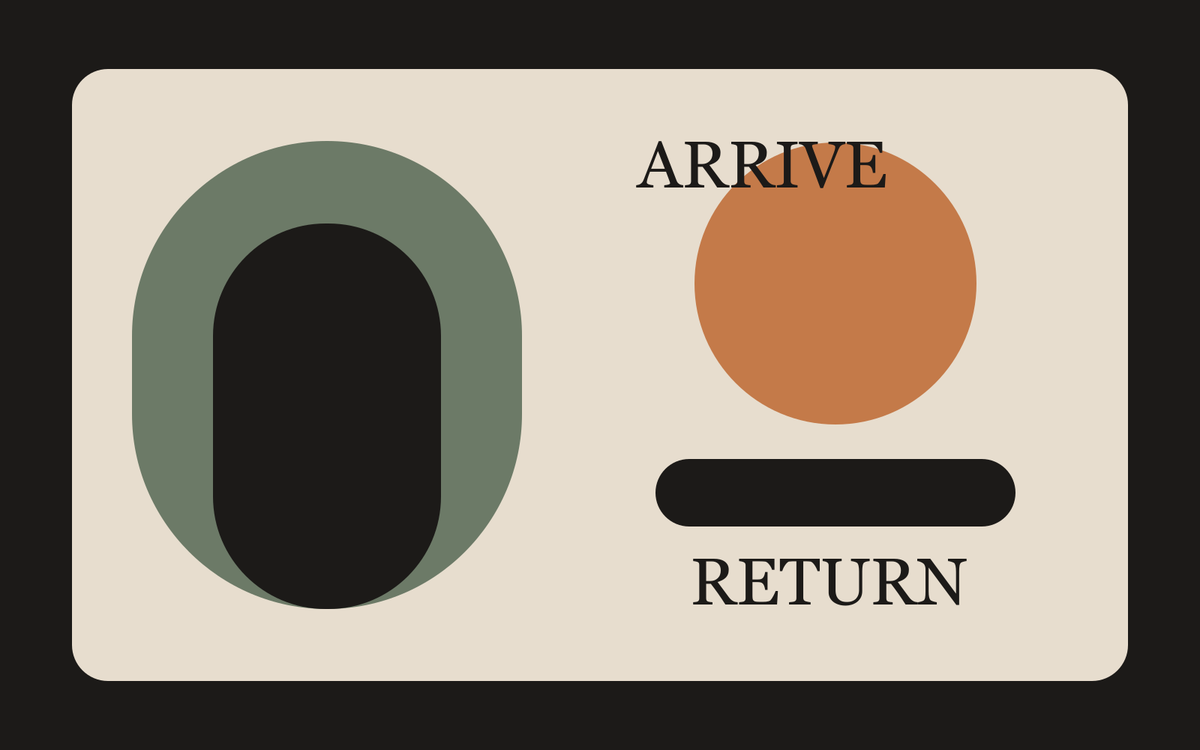
This conceptual route is an editorial planning prompt, not a guest-flow plan, accessibility assessment, operating procedure or site approval.
What does a holiday-park supplier already bring?
The strongest fit begins with the existing operator relationship. A holiday-park supplier may already coordinate upgrades across plots, manage product selections, collect site information and deliver a repeatable handover pack. It understands that one brochure item becomes many conversations with owners, operators and local contractors.
That relationship can shorten discovery. It can also create pressure to say yes before the scope is stable. An operator may see a sauna as one more upgrade line. The supplier has to see the cabin, the plot, the connections, the guest information and the after-sales route.
At Wood Architects, we can preassemble and check a selected sauna configuration in our Klaipėda facility. That helps define the supplied product. It cannot standardise every plot, access route, local connection or operator procedure. Repeatability lives inside a boundary.
Our panoramic cube line uses full-height glazing and 128 mm walls. The product can therefore hold a consistent physical specification while orientation and privacy remain site questions. A repeated product is possible. A repeated site is not guaranteed.
What can be standardised, and what stays site-specific?
Standardise only what the supplier and manufacturer can genuinely repeat. That may include the selected cabin configuration, heater and control documents, supplied-product checklist, operator information fields and escalation contacts. Keep plot access, base, local connections, surrounding surfaces and operating procedures inside the site review.
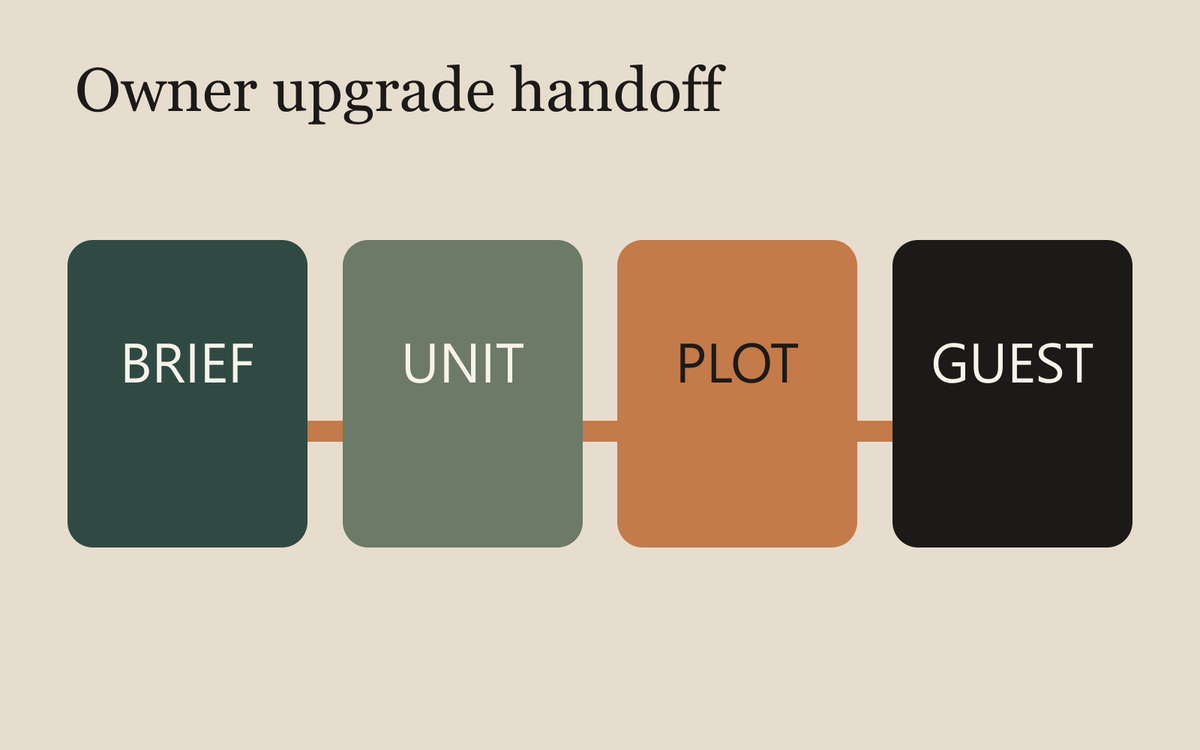
The handoff separates a repeatable product record from plot and operator inputs. It doesn't approve a site, guest procedure, installation method or commercial result.
Copy these lines into the upgrade brief:
“The standard product configuration is named and versioned.”
“Every plot supplies access, base and local-connection inputs.”
“The operator accepts the guest-information and handover scope.”
“The first after-sales call has one intake route and named escalation.”
A standard offer isn't a promise that every request fits. It is a faster way to reveal which requests don't. The missing-input list protects the operator from a vague brochure and protects the supplier from quoting an invisible project.
What does the camping market context actually tell you?
Eurostat's April 2026 release, Nature calling: interest in camping & caravanning grows, reports 413 million nights in EU camping grounds, recreational vehicle parks and trailer parks during 2025. It also reports that 67% of those nights occurred from June through August.
That is useful audience and timing context. It shows a large, strongly seasonal accommodation setting in which operators manage concentrated guest activity. It does not measure outdoor-sauna demand, upgrade budgets, occupancy uplift, willingness to pay or a supplier's local opportunity. A camping night is not a sauna enquiry.
The practical use is planning questions, not writing a forecast. Which operators already receive amenity requests? When can they review new upgrades without disrupting peak operations? Which plots repeat often enough to justify one controlled configuration? The answers have to come from the supplier's own dated enquiry and project records.
How does a promising brochure line become a bad project?
Consider a hypothetical supplier adding “private outdoor sauna” to an owner-upgrade brochure after several enthusiastic calls. The image shows a finished cabin. The price note assumes a standard plot. The first accepted order then reveals restricted access, an unresolved connection route and no agreed guest-use information. Sales promised a product. Operations inherited a site and a procedure.
The good side is repeatability. One controlled upgrade can reduce duplicated product decisions and give operators a clearer handover. The bad side is false standardisation. Every extra promise moved into the brochure can hide a plot, operating or service exception that still needs a decision.
So keep the offer narrow. Standardise when the required inputs fit the defined package. Move to a site-specific quote when the product remains suitable but an interface changes. Decline when the missing condition cannot be responsibly resolved. A declined request is better than an upgrade that damages the operator relationship.
How do you choose standardise, site quote or decline?
Route | Use it when | Missing-input trigger |
|---|---|---|
Standardise | Product, plot inputs and operator handover match the defined package | No critical field is open |
Site quote | The selected product fits, but access or local works differ | Competent site review is required |
Decline | A critical site, operating or service condition cannot close | No brochure exception or informal promise |
For the wider organisational changes that follow after a sauna line is approved, read What Changes in Your Business When You Add a Sauna Line? by Giedrius Patlaba. That piece covers readiness across staffing, storage and service. This article stays with the holiday-park upgrade boundary.
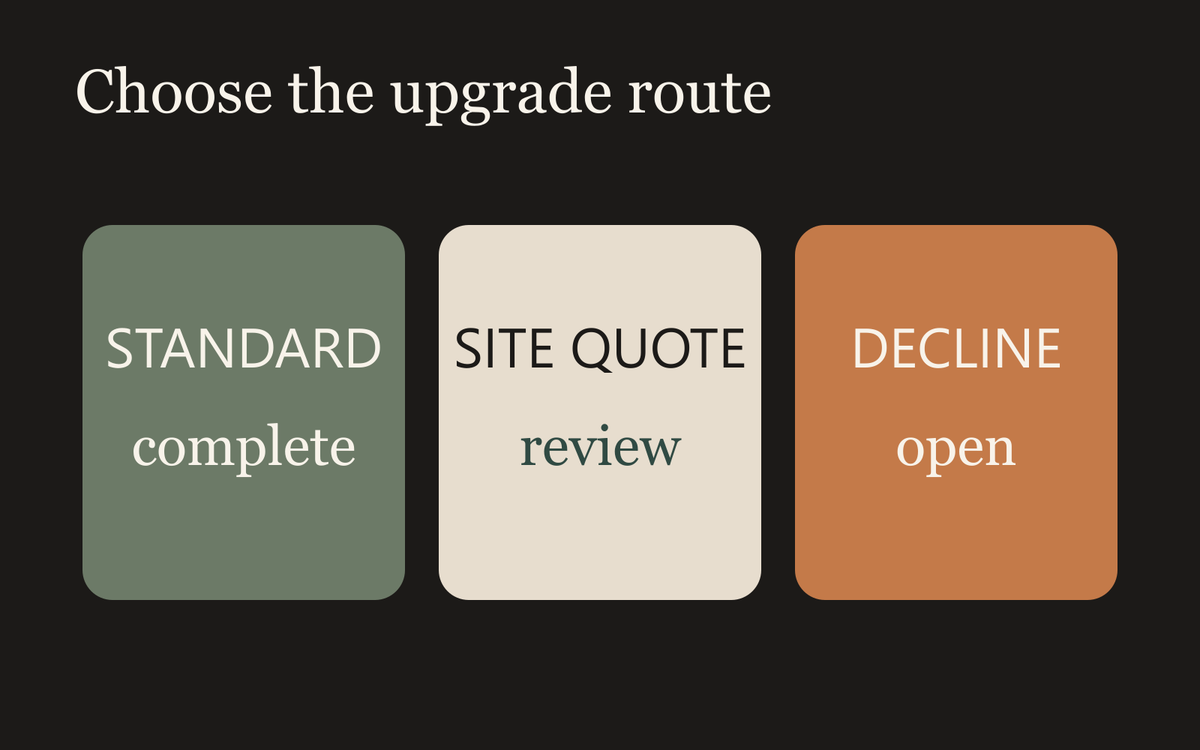
The decision card turns missing inputs into an honest route. It assigns no site approval, operating permission, demand, guest result or commercial term.
STOP: don't place “private sauna upgrade” in the brochure while the standard configuration, required plot inputs, operator handover or first service route is still blank. Marketing cannot standardise a responsibility that operations hasn't accepted.
Attach the three-row table to the upgrade sheet. Mark one route for each request. If the required inputs don't fit on the page, the offer isn't ready for the brochure.
Frequently asked questions
Do camping statistics prove demand for private saunas?
No. Eurostat's camping figures measure accommodation nights and their timing, not sauna enquiries, purchases or revenue. Use them to understand the scale and seasonality of the audience. Validate the category through your own qualified operator requests, site-fit quotes, paid orders and repeatable project records.
Can one sauna package fit every holiday-park plot?
Don't assume it can. A selected cabin configuration may repeat, while access, base, connections, orientation, privacy and operator requirements vary. Define the standard package, then list the site inputs that can move a request into a separate quote or a clear decline.
Who should own guest-use information?
The operator owns the guest relationship, while product and equipment manufacturers supply information within their roles. The project brief needs to show who compiles, approves, presents and updates the final guest information. A supplier brochure alone shouldn't become the operating procedure.
Should the supplier promise an occupancy uplift?
No, not without direct and credible evidence for that exact setting and offer. Camping nights and attractive photographs don't establish occupancy or revenue effects. Keep the case at the level you can prove: qualified operator interest, an accepted project scope and the performance of completed internal processes.
When should a holiday-park supplier decline the request?
Decline when a critical site, operating, handover or after-sales condition cannot be responsibly closed. Also decline when the customer expects a universal package that erases local work. A clear no protects both parties better than an exception hidden inside the brochure wording.
1reading now
- views
Get an email when Giedrius publishes