Are Your Retail Categories Ready to Add Outdoor Saunas?

Key Takeaways
The best adjacent category already owns the customer, project and service conversation.
Garden rooms, pools, outdoor living and holiday-park supply can transfer useful workflows.
A warm customer list does not create site, electrical or after-sales capability.
Score what transfers, what is missing and what would stop the launch.
Start with a narrow offer that staff can explain without improvising.
Expand only after paid orders leave repeatable operating proof.
Picture a category meeting at a garden-room company. The sales team recognises the same customer, the same garden and the same appetite for a considered outdoor purchase. Then three blank spaces appear on the whiteboard: electrical scope, sauna commissioning and the first after-sales call. The customer overlap is real. The operating fit is still unproved.
Are Your Retail Categories Ready to Add Outdoor Saunas?
Retail categories are ready to add outdoor saunas when their existing business already reaches the right customer, manages a site-dependent purchase and can support the product after handover. Garden-room and pergola firms, pool and hot-tub retailers, outdoor-kitchen specialists, premium garden retailers, holiday-park suppliers and some home-improvement businesses can all qualify. None qualifies by audience overlap alone. The launch needs a named route for site review, installation, electrical work, product information and the first service call.
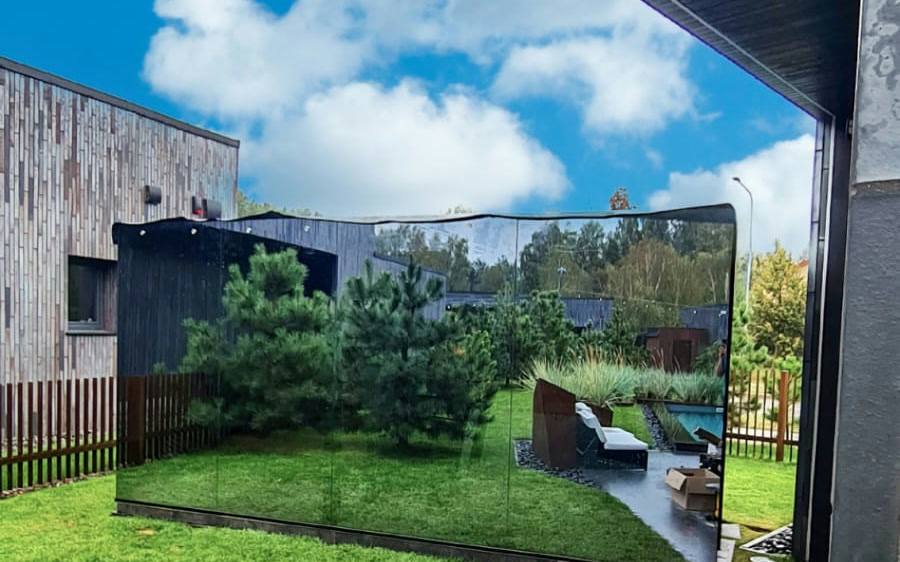
The photograph shows a cube-form sauna within a finished garden setting. It does not prove retailer fit, customer demand, planning approval, installation scope or commercial performance.
What does an adjacent business already know how to do?
Start with the business you have, not the product you want to add. A garden-room company already discusses access, orientation, ground works and the sequence of an outdoor project. A pool or hot-tub retailer already manages a leisure purchase with installation and after-sales expectations. An outdoor-kitchen specialist understands considered garden design and coordinated trades.
Premium garden retail can add display, local trust and an existing homeowner audience. Holiday-park suppliers can add a relationship with operators and a route into owner upgrades. A regional home-improvement retailer may add reach, finance processes and established customer care. These are transferable assets. They are not automatic permission to sell a sauna.
At Wood Architects, we assemble and check every sauna at our Klaipėda facility before shipment. That can reduce uncertainty about the supplied product. It cannot approve a customer's base, confirm the electrical design, plan access or decide who responds after handover. Factory scope ends where the local project begins.
Our panoramic cube line uses full-height glazing and 128 mm walls. Those are product facts, not category-fit claims. They make one point useful to a new seller: a sauna is a physical project product with orientation, access and connection interfaces. It isn't another boxed accessory placed beside the pergola catalogue.
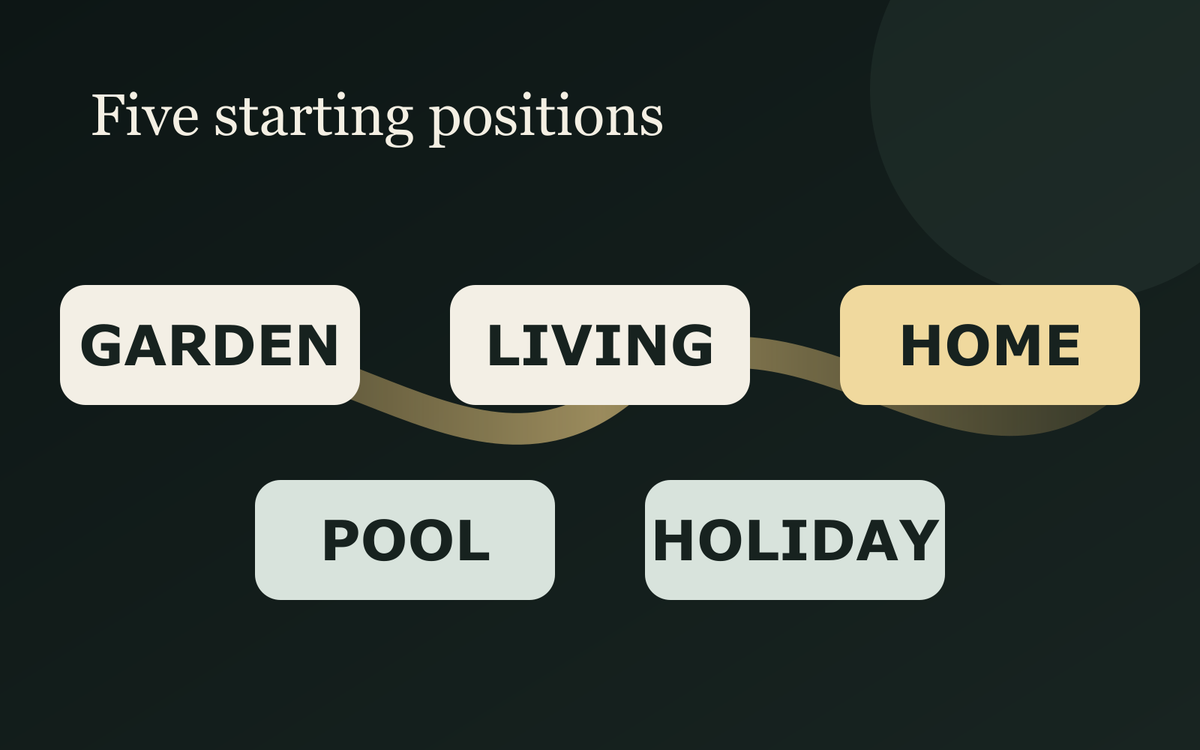
The map groups five credible starting positions by existing customer journey. Existing workflow may transfer, but responsibility never transfers automatically. The map ranks no category and predicts no demand.
Which gaps turn a good fit into a bad launch?
The dangerous gap sits between recognition and responsibility. Staff recognise the customer, so the product feels familiar. Then the quote reaches a question nobody owns. Who confirms the site? Who coordinates the qualified electrical work? Who records handover? Who receives the service call?
Consider a hypothetical pergola retailer that takes a sauna deposit after strong showroom interest. The access route is checked only after delivery is booked. The electrician is treated as the customer's problem, yet the sales promise implies a complete installation. When the heater question arrives, sales calls the installer and the installer calls the supplier. One attractive order has exposed three missing responsibilities.
The trade-off is simple. Greater customer overlap can lower the distance to the first conversation, but it can hide capability gaps because the buyer already trusts you. Broader home-improvement reach creates more visibility, yet the site conversation may be weaker. Neither starting point wins by itself. The better category is the one that can close its gaps before taking money.
As checked on 24 August 2026, Eurostat's Digitalisation in Europe 2026 reports that 24% of surveyed EU enterprises conducted e-sales during the previous calendar year, including 23% of surveyed SMEs. The underlying ICT survey covers enterprises with at least 10 persons employed, including employees and self-employed persons. That is channel context, not a sauna-demand measure or microbusiness estimate. A web shop can collect attention. It cannot qualify access, interfaces or local installation.
Online offers also carry product responsibilities. Article 19 of the EU General Product Safety Regulation sets information requirements for products offered online or through distance sales. This article is not a compliance checklist. The seller still needs role-specific advice for the selected product, market and sales model.
How do you score category adjacency without guessing?
Use a category scorecard before discussing models or display space. The aim isn't to declare one industry the winner. It is to expose where your current workflow genuinely transfers and where the sauna creates a new responsibility.
Existing category | What may transfer | Gap to prove before launch |
|---|---|---|
Garden rooms and pergolas | Garden project access and sequencing | Heat, electrical and after-sales scope |
Pools and hot tubs | Leisure buyer and service relationship | Dry-heat product and installation boundary |
Outdoor kitchens and garden retail | Design conversation and showroom traffic | Site qualification and technical handover |
Holiday-park suppliers | Operator access and upgrade planning | Standard scope, operation and support route |
Home-improvement retail | Reach, finance and customer care | Project discovery and qualified local delivery |
Copy these questions into the meeting:
“Which existing customer conversation naturally reaches outdoor heat, recovery or garden living?”
“Who confirms the site, electrical and installation scope before we quote?”
“Who receives the first call about the heater, door or glass?”
“Which part of our current process would fail if the first order arrived tomorrow?”
If a line stays blank, mark it as a gap. Don't fill it with the supplier's logo or a hopeful job title. A responsibility exists only when a named party has accepted a defined scope.
For the separate operational changes that follow once a sauna line is chosen, read What Changes in Your Business When You Add a Sauna Line? by Giedrius Patlaba. That piece covers staffing, storage and service readiness. This scorecard stays one step earlier.
What decision should the first category meeting make?
The first decision is not “launch” or “reject”. Choose one of three controlled outcomes. Proceed to a narrow pilot when the customer journey transfers and every material gap has a named route. Hold when the customer fit looks credible but a responsibility remains open. Stop when the plan depends on unqualified site advice, improvised installation or stock bought before demand is qualified.
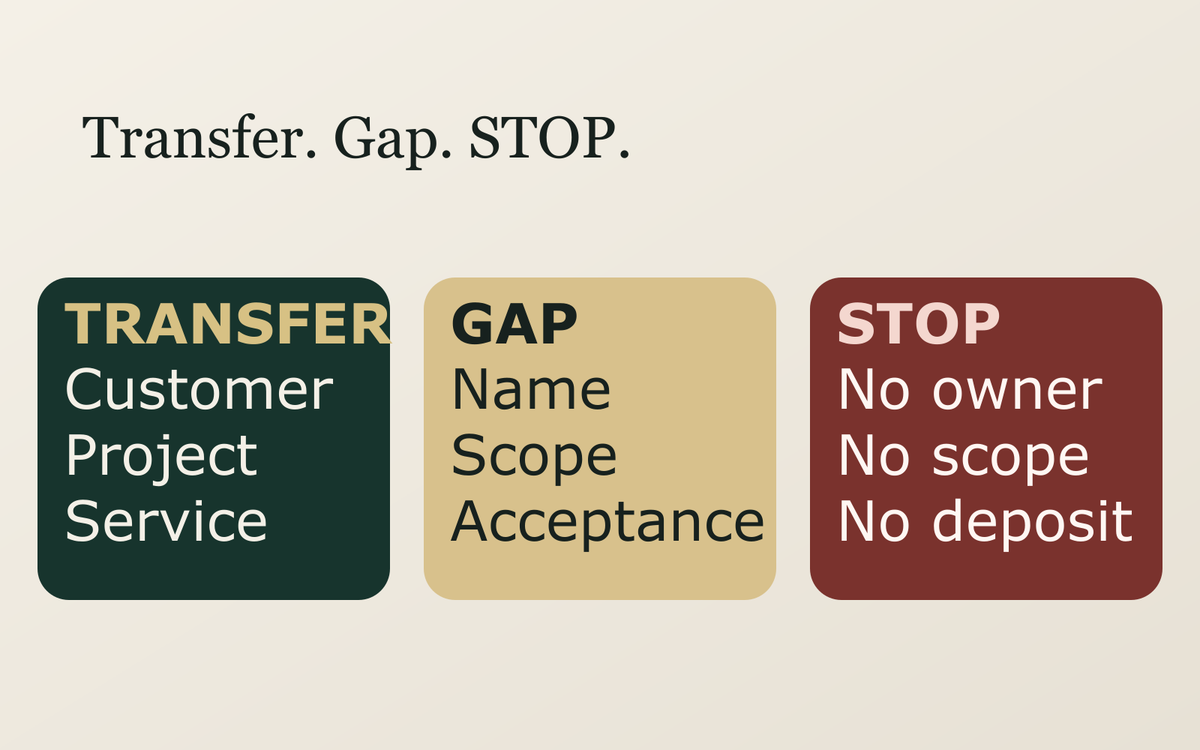
The scorecard separates transferable capability from a gap that needs an accepted route and a condition that stops the launch. Write names and accepted scopes, not assumptions. A blank critical line is the decision.
STOP: don't take a deposit, order display stock or promise installation while site qualification, electrical scope or after-sales ownership is still blank. A warm audience isn't protection for your reputation or working capital.
Print the table. Circle one category. Write one name beside every gap. If any critical line stays empty, the paper has already made the decision.
Frequently asked questions
Can a garden-room or pergola retailer sell outdoor saunas?
Yes, when its project process already covers access, orientation, ground interfaces and coordinated trades. The sauna still adds heat, electrical, handover and service questions. Treat those as new scopes with named qualified parties. Don't assume the garden-room installation method or warranty process transfers unchanged.
Are pool and hot-tub businesses the strongest adjacent category?
They can be strong because they already serve leisure buyers and understand installation plus after-sales relationships. The gap is product-specific. A dry-heat cabin brings different construction, ventilation, electrical and handover questions. Existing wet-side competence is valuable context, not proof of sauna competence.
Can a premium garden centre add outdoor saunas?
It can, particularly when the centre already handles considered outdoor purchases and has a real project-enquiry route. Display traffic alone isn't enough. Before launch, define site discovery, delivery access, qualified connections, handover and after-sales escalation. If those depend on improvisation, use a referral model or hold.
Which holiday-park capabilities support a sauna offer?
It may fit when the supplier already manages operator upgrades, site coordination and repeatable handover. The offer needs a narrow standard scope and a clear boundary between product, installation and operation. Accommodation demand statistics don't prove that sauna orders will follow or that the amenity changes occupancy.
Can a home-improvement retailer start with online sales?
An online page can collect interest and explain the offer. It shouldn't replace project discovery for a site-dependent product. Build a route from enquiry to site qualification, confirmed scope, product information and local installation. Apply the product and distance-sale rules relevant to your role, market and selected sauna.
1reading now
Get an email when Giedrius publishes