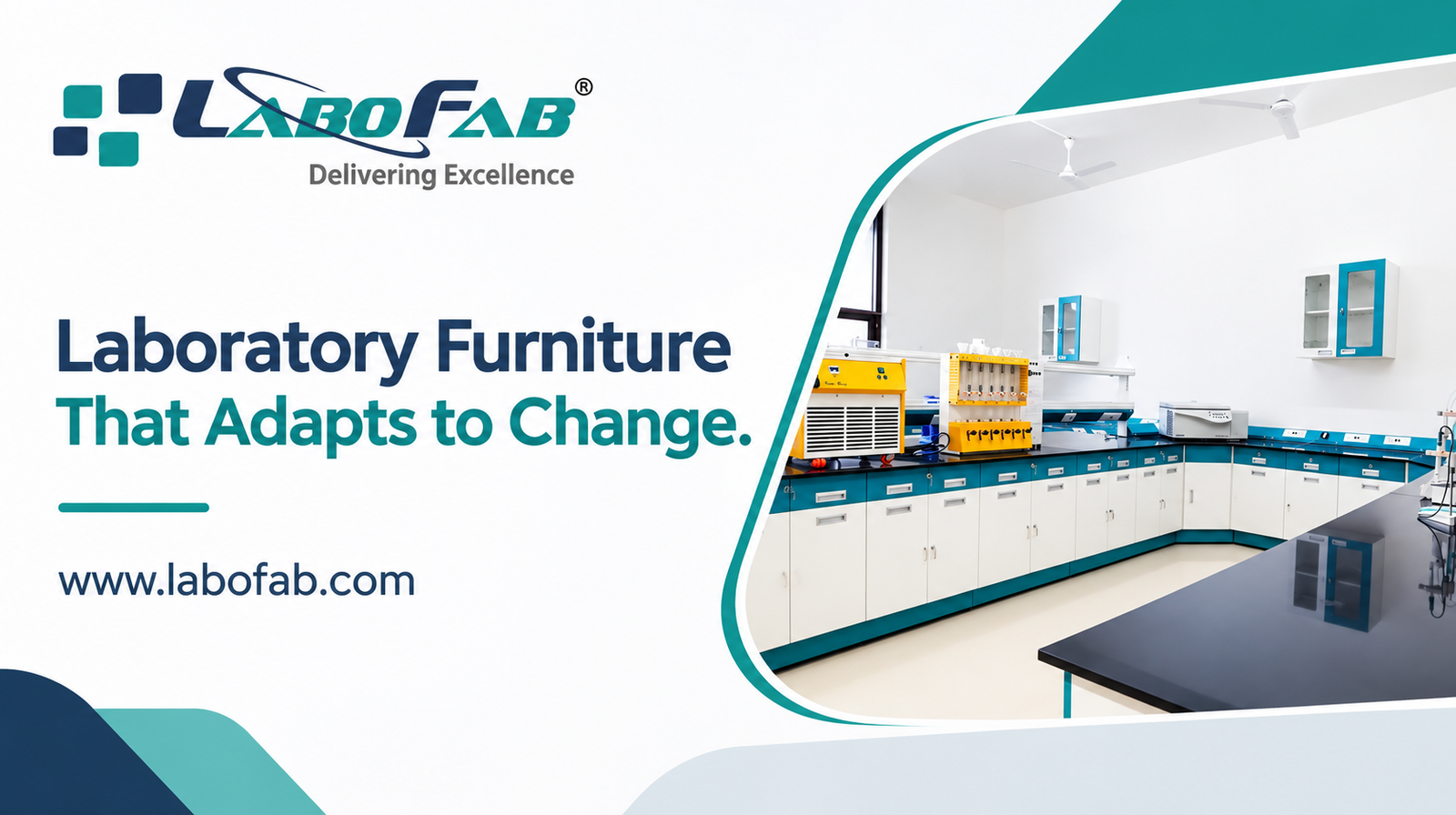
Why Modular Laboratory Furniture Is More Than a Space-Saving Solution
A laboratory is rarely a static working environment. Research activities evolve, equipment requirements change, and new procedures can introduce demands that were not part of the original layout. Furniture designed around a fixed arrangement may eventually become difficult to adapt, particularly when changes involve workstations, storage or utility connections.
This is where modular laboratory furniture offers a practical advantage. Its value goes beyond making better use of available floor space. A well-planned modular setup gives laboratories greater flexibility to accommodate different activities, reorganise work areas and respond to future operational needs without necessarily replacing the entire furniture arrangement.
Adapting to Different Laboratory Applications
Not every laboratory performs the same type of work. A pharmaceutical research facility, an educational laboratory and a quality control department may have different requirements for work surfaces, storage, equipment placement and utility access.
A modular approach makes it possible to configure furniture around these specific activities. Workbenches, cabinets, shelves and service components can be arranged according to the nature of the work being performed.
For example, a laboratory handling multiple testing procedures may require dedicated workstations with different storage arrangements. Another facility may need larger working surfaces to accommodate instruments and sample preparation activities.
Instead of applying one standard arrangement throughout the facility, modular lab furniture systems allow individual areas to be planned according to their intended purpose. This helps create a more organised working environment while making better use of the available space.
Fixed Furniture vs Modular Configurations
Traditional fixed furniture is generally installed for a predetermined layout. Once the arrangement is established, changing the position of major components can involve additional installation work, modifications or replacement.
Modular configurations offer a different approach. Their components are designed to work within a planned system, allowing certain elements to be rearranged, added or replaced when requirements change. The extent of flexibility depends on the furniture design, service connections and installation conditions.
This distinction becomes important when laboratories anticipate changes in equipment, research activities or team requirements.
However, modular furniture is not automatically the right answer for every situation. Some laboratories have specialised installations that require fixed positioning. The decision should consider the nature of the work, available infrastructure and the possibility of future modifications.
The objective is to create a layout that supports current operations without making future changes unnecessarily complicated.
Reorganising Workstations as Needs Change
Laboratory operations can change for several reasons. New instruments may require different working heights or additional space. A testing procedure might introduce new equipment, while an increase in sample handling could create a need for more accessible storage.
When furniture is planned as a modular system, individual work areas can often be adjusted without redesigning the entire room.
Modular laboratory workstations can support this approach by allowing suitable combinations of benches, cabinets and other components. Depending on the system, laboratories may be able to modify storage arrangements, introduce additional work surfaces or reorganise selected sections.
These adjustments should still account for equipment dimensions, electrical requirements, plumbing connections and safe working clearances. A change that improves one workstation should not create accessibility or operational problems elsewhere.
Planning for adaptability from the beginning can make these future modifications easier to manage.
Storage, Utilities and Work Surfaces Matter
Flexibility is useful only when the individual furniture components support the activities taking place in the laboratory. Storage, utilities and work surfaces therefore need to be considered as part of the overall design rather than treated as separate additions.
Storage cabinets should accommodate the materials, instruments and supplies used in each area. Their positioning can influence how easily laboratory personnel access frequently required items.
Work surfaces also need careful consideration. Material selection should reflect the chemicals, temperatures, cleaning procedures and mechanical demands associated with the application. A surface suitable for one laboratory activity may not be appropriate for another.
Utility planning is equally important. Electrical outlets, water connections, gas services and other requirements must be coordinated with the furniture arrangement and relevant safety provisions. Their positioning can affect equipment placement and the practical use of a workstation.
When these elements are considered together, the result is a laboratory environment that supports its intended workflow rather than simply filling the available floor area.
Designing for Today’s Work and Tomorrow’s Changes
A laboratory furniture system should serve the activities taking place today while allowing reasonable scope for future requirements. This does not mean every laboratory needs a completely movable setup. It means understanding which areas may change, which components need to remain fixed and how the two can work together.
The right configuration depends on the laboratory’s application, equipment, infrastructure and working practices. Careful planning helps avoid unnecessary modifications while creating a more functional environment.
At Labofab, laboratory furniture solutions are developed around practical workspace requirements, with attention to workbenches, storage systems and modular configurations.
Give your laboratory the right foundation with Labofab’s range of workbenches, storage systems and modular furniture.
1reading
Written by
 Labofab IndiaMember7 pieces · 1 follower
Follow Labofab to see new posts in your feed, on your phone or by email.