Chanterelles: Forest Treasures from Medicinal Marvels to Gourmet Delights

Nutritional and Medicinal Profile
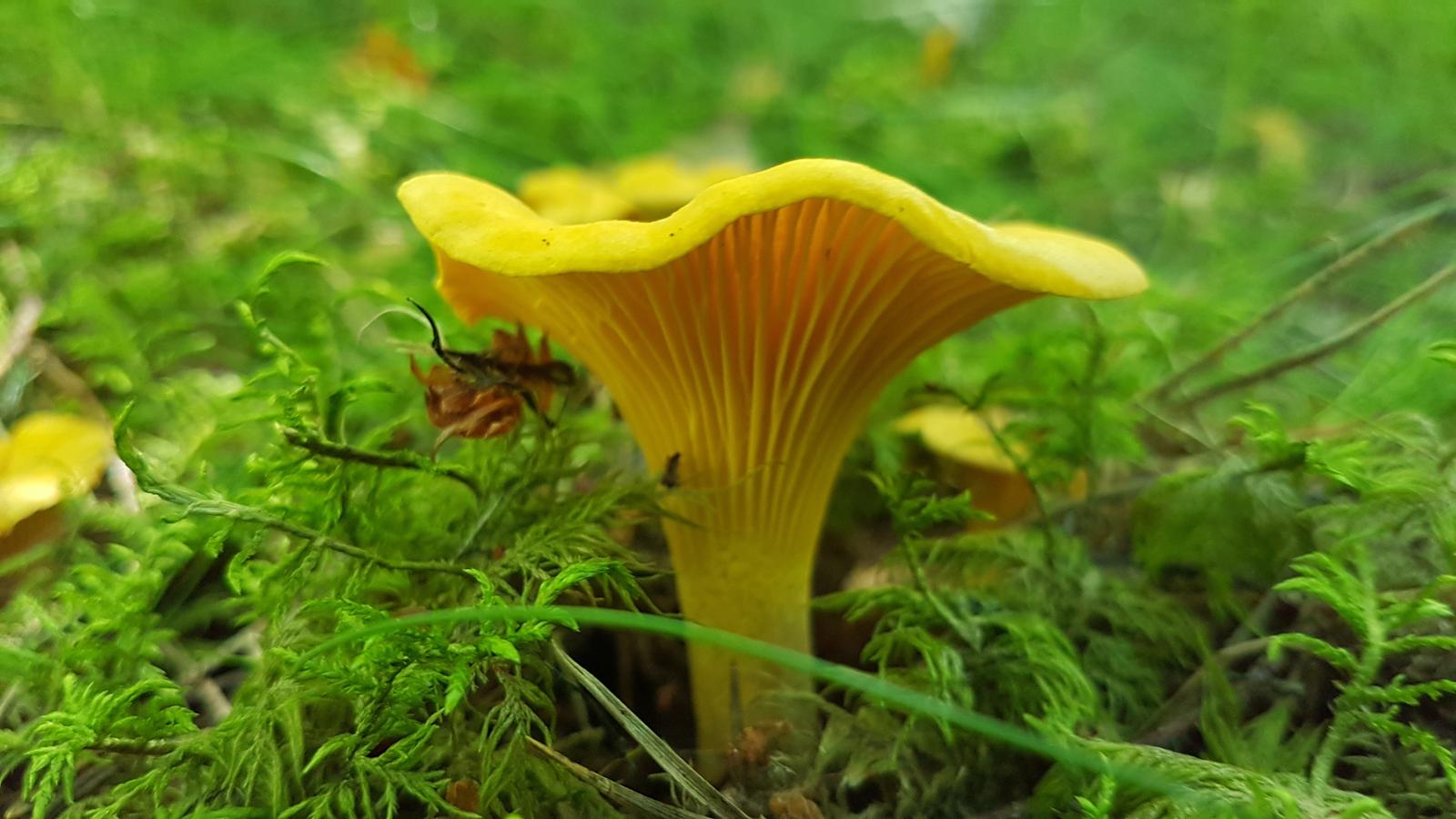
As one of the most popular and highly favored wild-grown edible mushrooms in Europe, the common chanterelle (Cantharellus cibarius) is as nutritious as it is delicious. These mushrooms are packed with vitamin D and rich in vitamin A, driven by the carotenoids that give them their vibrant yellow pigmentation.[^1] Scientific research highlights that beyond accumulating essential minerals from their environment, chanterelles are claimed to have notable medicinal properties—they are believed to prevent night blindness and dry skin, and resist respiratory tract infections.[^2] Furthermore, they offer antimicrobial and antigenotoxic benefits.[^3]
Natural Adaptations and Foraging
Fascinatingly, chanterelles also possess natural insecticidal properties that protect their fruiting bodies from worms and slugs, making them a rare, naturally pristine woodland find.[^1] Chanterelle season typically stretches from mid-summer through early autumn. Thriving in warm, damp conditions, these trumpet-shaped fungi emerge from mossy forest floors near the roots of trees shortly after heavy rains. Prized for their apricot-like aroma, firm texture, and rich, earthy flavor, chanterelles bring both culinary excitement and a sense of woodland treasure hunting to the season.
A Culinary Reward
Ultimately, whether sought after for their impressive health benefits or their unparalleled taste, chanterelles represent a perfect harmony of science and nature. For those who cannot make it out to the woods, these golden mushrooms can also be conveniently purchased online. Whether freshly foraged or delivered right to your door, sautéing them simply in butter with garlic and herbs transforms any meal into a gourmet experience, securing their place as one of nature's most rewarding seasonal treasures.
Footnotes
[^1]: Drewnowska, M., & Falandysz, J. (2015). Investigation on mineral composition and accumulation by popular edible mushroom common chanterelle (Cantharellus cibarius). Ecotoxicology and Environmental Safety, 113, 9-17. https://doi.org/10.1016/j.ecoenv.2014.11.028
[^2]: Dulger et al., 2004, as cited in Drewnowska, M., & Falandysz, J. (2015).
[^3]: Aina et al., 2012; Mendez-Espinoza et al., 2013, as cited in Drewnowska, M., & Falandysz, J. (2015).
1reading now
Get an email when Forest publishes