Tuesday, 10 November 2026. Looking back at 2 to 8 November
I missed Sunday's post, so here is the catch-up, a little late. I have added a couple of things from Monday where they change the picture.
It was a week of budgets, bills and a very heavy week for Ukraine's power grid. Seven stories I would catch up on.
1. France. The budget was rejected, and the streets followed.
On Wednesday 4 November, French lawmakers rejected the first part of the 2027 budget bill. Euronews says the rejection came with support from across party lines. The government's version now goes to the Senate, with a vote scheduled for 9 December.
The next day, Thursday, a nationwide strike brought hundreds of thousands onto the streets. Authorities estimated about 600,000 people. Unions said more than 1.5 million. Both numbers are reported by Euronews, and they are very far apart, so I would not pick one as the truth. It also reported that more than 70,000 police officers were to be deployed, and criticism from unions and rights groups of how some of the policing was handled.
On Monday, Prime Minister Lecornu announced a monthly minimum-wage rise of 24 euros and tax breaks for firms, according to Euronews. I have only seen the headline so far, so I would wait for the details before judging it.
2. Ukraine. The biggest attack on the power grid this year.
Kyiv Independent reports that Russia's attack on 3 November was the heaviest on Ukraine's energy system in 2026. On Monday, state energy company Centrenergo said the Trypillia thermal power plant, south of Kyiv, had been hit, and that the impact looked significant. The extent is not clear yet.

Ukraine's Air Force, quoted by Kyiv Independent, counted 317 long-range attack drones in one night, and Ukrenergo reported power cuts in 12 regions. After a call with Commission President von der Leyen, President Zelensky said the EU will activate its emergency mechanism to help. A Commission spokesperson said it comes under the EU Civil Protection Mechanism.
With winter coming, this is the story I would not let slide down the page.
3. Peace talks in Abu Dhabi start today.
US-mediated talks between Ukraine and Russia are due to run on 10 and 11 November in Abu Dhabi. Kyiv Independent reports that the EU, NATO and the national security advisers of Germany, France and the UK will attend, as confirmed by a senior EU official. Euronews reported on Monday that the EU is sending a joint team.
Trump told 60 Minutes that Ukraine will end up with "a little bit different shape" after the war. Both outlets carried the quote. Nobody has said what that means in practice, and I would not guess.
Money is already tied in. Euronews says Merz warned that without a deal on Ukraine aid there will be no deal on the EU budget.
And yes, the US midterms happened on Tuesday. Euronews's Thursday newsletter led with a headline that Trump had lost Congress. I have not confirmed the seat counts, so I will not give you numbers.
4. The UK. Interest rates went up.
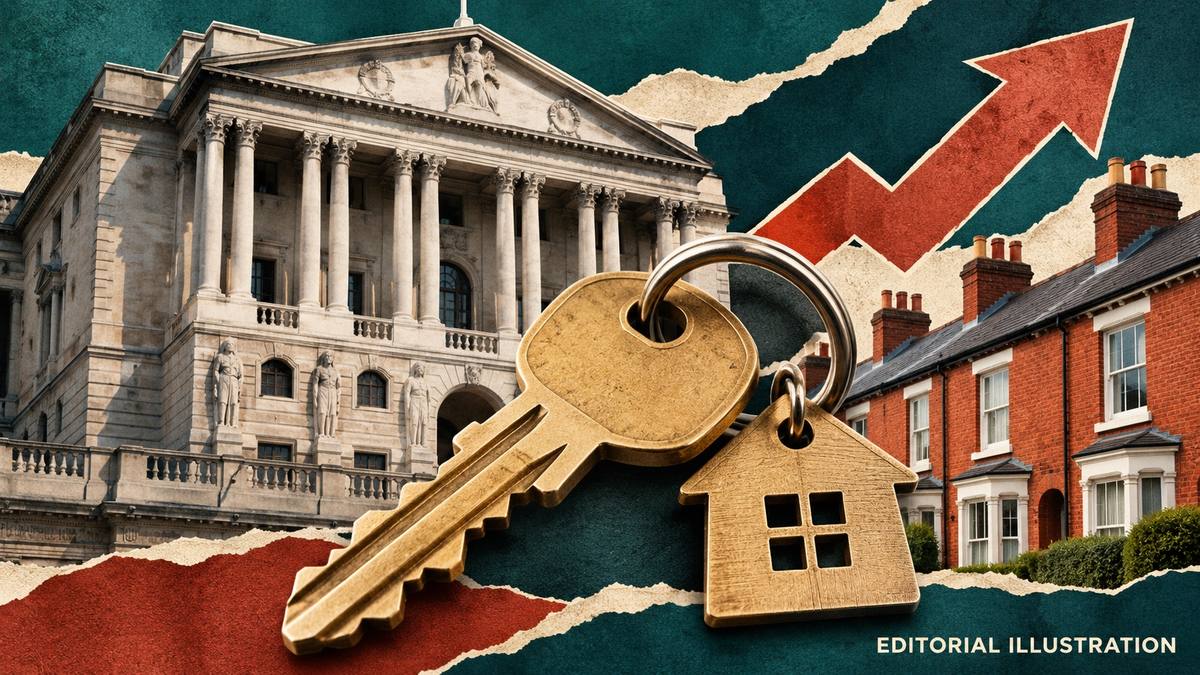
On Thursday 5 November the Bank of England raised interest rates for the first time since 2023, as Sky News and CNBC both reported. Trading Economics puts Bank Rate at 4%, up from 3.75%. I could not open the Bank's own page, so check that figure there if you need it.
If you have a variable mortgage or a loan, this is the one to check first. For savers, it can mean slightly better returns, but banks do not always pass it on at once.
5. The eurozone. Inflation went the wrong way, and the ECB hunt began.
Eurostat's first estimate for October, as listed by Trading Economics, shows eurozone inflation at 4.0%, up from 3.8% in September. Energy was the main driver, at 20.8% year on year. I could not open Eurostat's own page, so treat the exact figures as secondary until the final estimate on 18 November.
Meanwhile, the search for Christine Lagarde's successor has started. LRT reports the Eurogroup chief wants a new ECB president chosen by the end of the year, and Euronews says Spain's economy minister is already making the case for Madrid's candidate.
6. Markets and jobs. A wobbly Friday.
Euronews reported that European stocks joined a global sell-off as worries about AI data centres grew, and it described the worst US chip sell-off since 2020.
The same day, the US jobs report showed employers added 165,000 jobs in October, with unemployment at 4.1% and average hourly earnings up 3.1% on a year earlier. Those are the Bureau of Labor Statistics figures. One jobs report is one data point, so I would not read too much into it.
7. Cyber. Supermarket fridges in the firing line.
Euronews reports that France says Iran is behind cyberattacks on supermarket fridges, and that Iran's ambassador is to be summoned. Separately, The Hacker News reported US agencies warning about attacks on refrigeration controllers, with risks to stock and to safety. These are two reports about a similar kind of target. I cannot tell you they are the same campaign.
If you run a shop, restaurant or warehouse: change default passwords on anything that connects to the internet, including the fridge.
That is the catch-up. Budgets, bills and Ukraine's winter ran through most of it.
Next up is the week ahead, with the dates I would keep in mind. Seven things, a quick read, then you can get on with your Tuesday. :)
1reading
Written by
 What's happening in EuropeMember19 pieces · 12 followers
Follow What's to see new posts in your feed, on your phone or by email.