Money will matter in 2036
I keep thinking the same thought what Elon Musk told The Economist a couple weeks ago, that money will not matter in 2036, and every single one of these people is going to wake up tomorrow morning and need money.
Both of those statements are about the same decade. Let me be fair to the argument first, because it is not a stupid argument. His case is that AI plus humanoid robots plus cheap energy produce more goods and services than humans can consume, and once you have more of everything than anyone can use, the thing we invented to ration scarcity stops having a job. He has said work will be optional, like growing vegetables in your garden when the shop is right there. He has said universal high income is how people live. There is a real version of this. Abundance in manufactured goods is genuinely coming, and faster than most people are pricing in.
But here is what I keep coming back to. He is worth around 681 billion dollars. When a man with 681 billion dollars says money will stop mattering, he is not making a prediction. He is describing his own life, accurately. He is already past money. Money stopped mattering for him somewhere around his second billion, I guess. Everything he does now runs on attention, control and time, which is exactly what money buys you once you have enough of it. So the statement is true. It is just true about him.
Now the other side of the room. UBS puts the world's millionaires at about 1.5 percent of adults, and that 1.5 percent holds close to half of all the wealth on the planet. The median adult on earth has about nine thousand dollars to their name, most of it in whatever they live in. Call it the 96 percent if you like. The real number is closer to 98. For those people the sentence "money will not matter in ten years" does not land as philosophy. It lands as someone on the top floor telling the people on the stairs that stairs are an outdated concept.
From one point of view - it says, if you’re doing badly, no worry, it will pass. On another note, it says no need for education for kids, this will not matter in ten years.
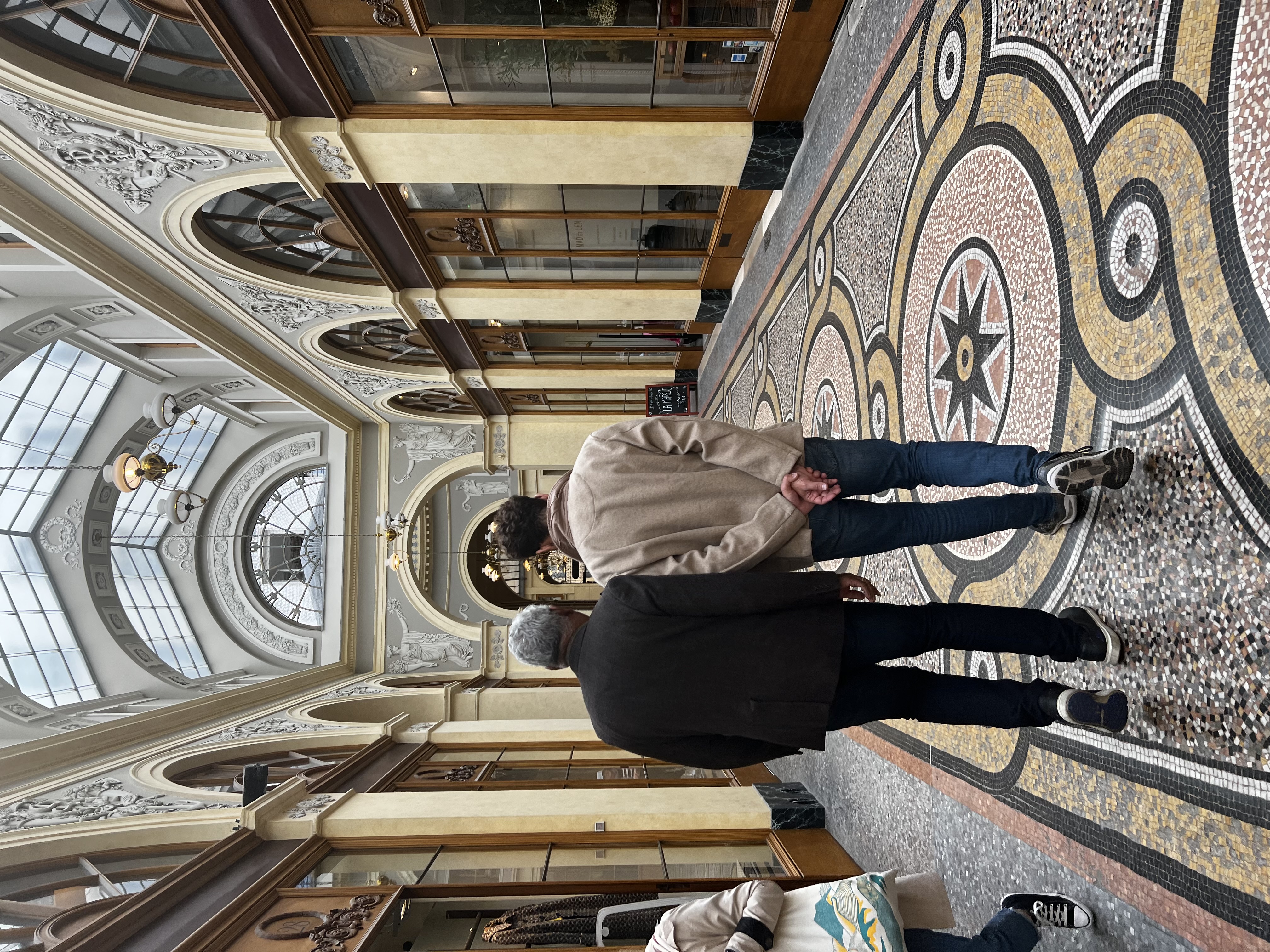
And this is where I want to talk about cities, because cities are the receipt.
Every single technology of the last hundred and fifty years was supposed to dissolve the city. The telephone was going to make proximity optional. The car was going to spread us out. The internet was definitely going to end the office. Then 2020 happened and half the world worked from a kitchen table and every commentator wrote that the city was finished, New York is over, London is over, everyone is moving to a lake.
Rent in the centre went up. Again.
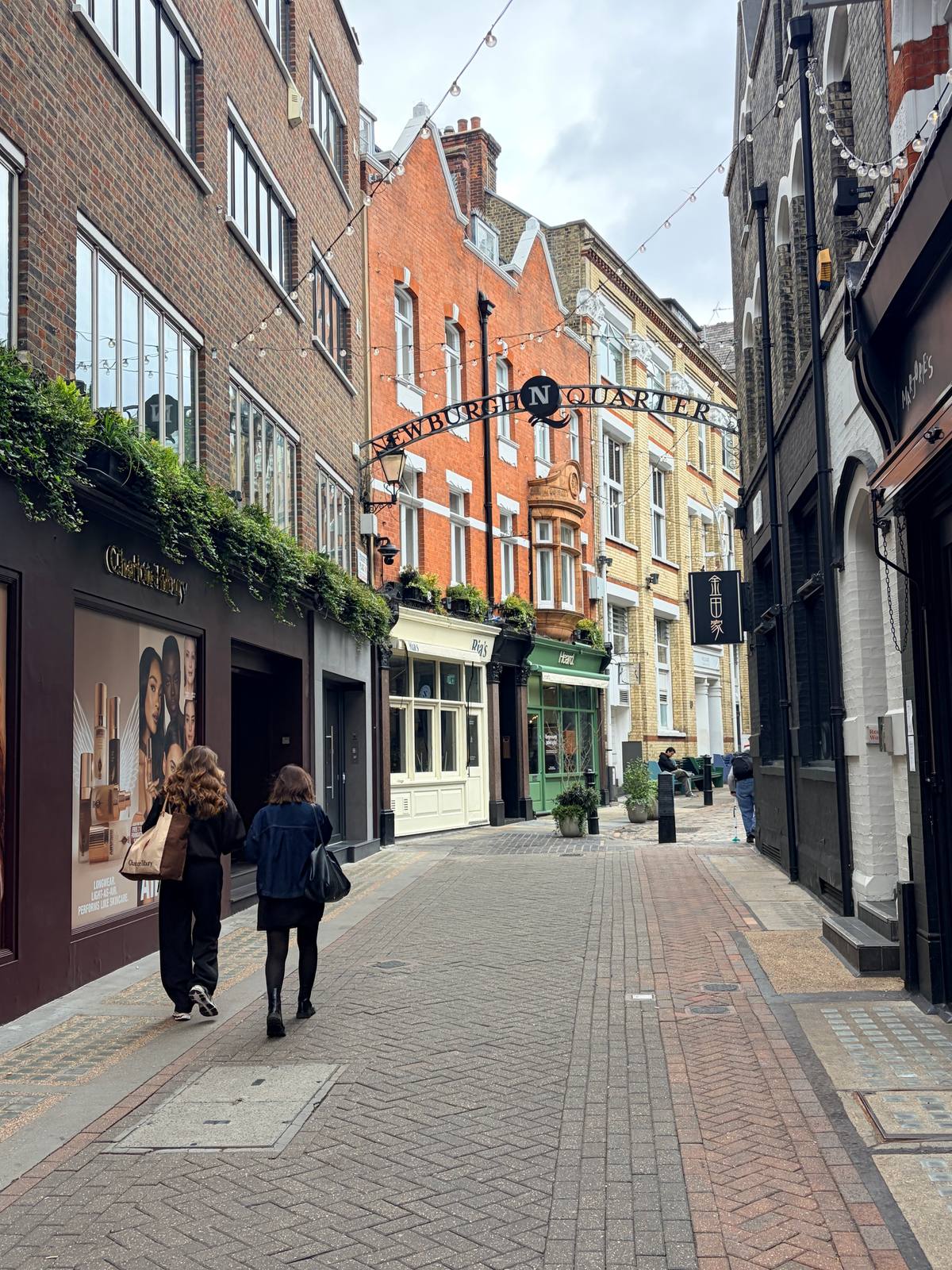
Because a city was never mainly about producing things. A city is a machine for putting you near other people. Near the job you want, the person you want, the school you want your kid in, the room where the thing is being decided. The economist Fred Hirsch wrote about this in the seventies and called them positional goods. A positional good is a thing whose value comes from not everyone having it. A flat looking over the old town. A table at that place on a Friday. A doctor who actually knows your name. Your daughter in that particular class with that particular teacher.
You cannot manufacture your way out of a positional good. That is the whole point of it. A robot factory running at full speed for a hundred years cannot print more of the old town. It cannot make the seafront longer. It cannot make Friday evening happen twice.
So think about what actually happens when goods get very cheap and very abundant. Money does not evaporate. Money moves. It concentrates onto whatever stayed scarce. Land. Position. Time. Attention. Care. The stuff a person actually builds a life around. Which means the honest prediction is almost the opposite of the headline. In a world where a television costs nothing, money matters more for the things that decide the shape of your life, not less.
Baumol worked out the other half of this decades ago. A string quartet takes four people and forty minutes. It took four people and forty minutes in 1800 and it takes four people and forty minutes now. Productivity never arrived, so the price went up relative to everything else. Teaching. Nursing. Physiotherapy. Sitting with your mother in a hospital corridor. These are not inefficiencies waiting to be optimised. They are the point.
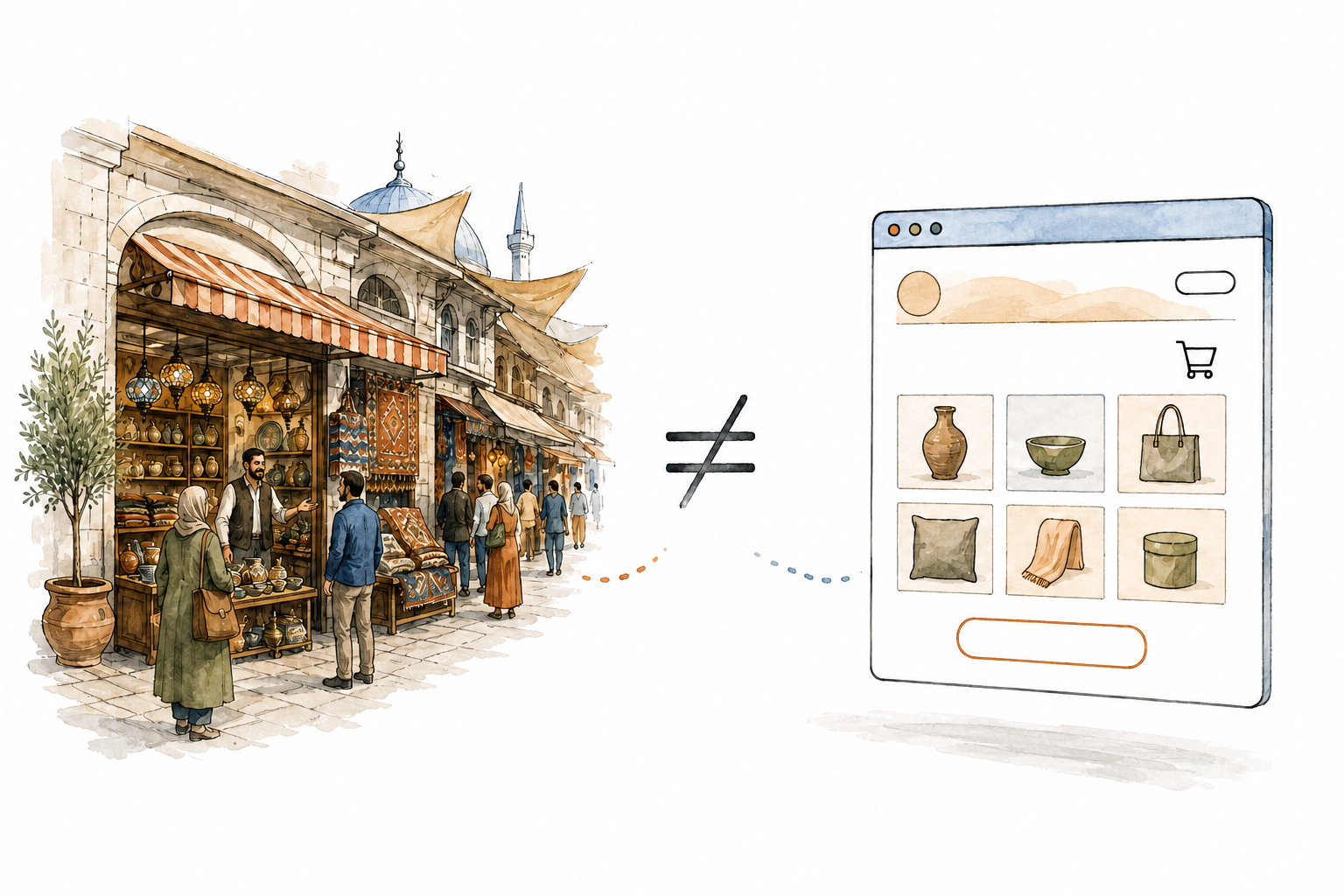
And then there is the part I know best - it is my actual business. So the demand does not disappear. The demand is not for stuff. The demand is to be someone, somewhere, among people who notice. Now the harder thing, and this is really why I sat down to write.
The mood has changed. I feel it in every room I walk into this year. Two years ago people were building. Now people are surviving, and talking about endings. Timelines. Job apocalypse. Nothing will matter in ten years. And the effect of that on a normal person is not preparation, it is paralysis. If nothing matters in ten years, why start the thing this year. Why do the boring version of the work. Why hire. Why learn anything.
That is the trap and I think it should be named clearly. A widely believed prophecy of the end is the most efficient way ever invented to make people stop building. And the ones who keep building through it end up owning what comes next, which conveniently is the same small group who told everyone else it was pointless. I am not saying that is a plan. I am saying that is the effect, and the effect is the same either way.
Meanwhile the technology itself is genuinely, unbelievably good. I mean it. AI will find drugs we could not find. It will catch cancers early. It will translate a Belgium company into eleven markets. It lets four people in a small country compete with a British enterprise that has ninety staff. I use it every day and it has changed what I am able to attempt. None of my argument is against the tool. The tool is the best thing to arrive in my working life.
The argument is about the story we are wrapping around the tool, and who that story is convenient for.
We are in early days and early days are always chaos. Chaos is not evidence that it is over. Chaos is what it looks like when a lot of things are being rebuilt at the same time by people who are also making it up.
So my position is boring and I am comfortable with that. Money will matter in 2036. Not because AI fails, but because AI succeeds at the part it can do and does nothing at all about the part people actually fight over. People will still want a decent place to live near the people they love. They will still want their kid seen by a good teacher. They will still want someone to measure their suit properly.
The bakery light will be on tomorrow morning. Somebody has to be somewhere at seven. I would rather build for those people than write them off ten years in advance.
1reading now
Get an email when Bill publishes