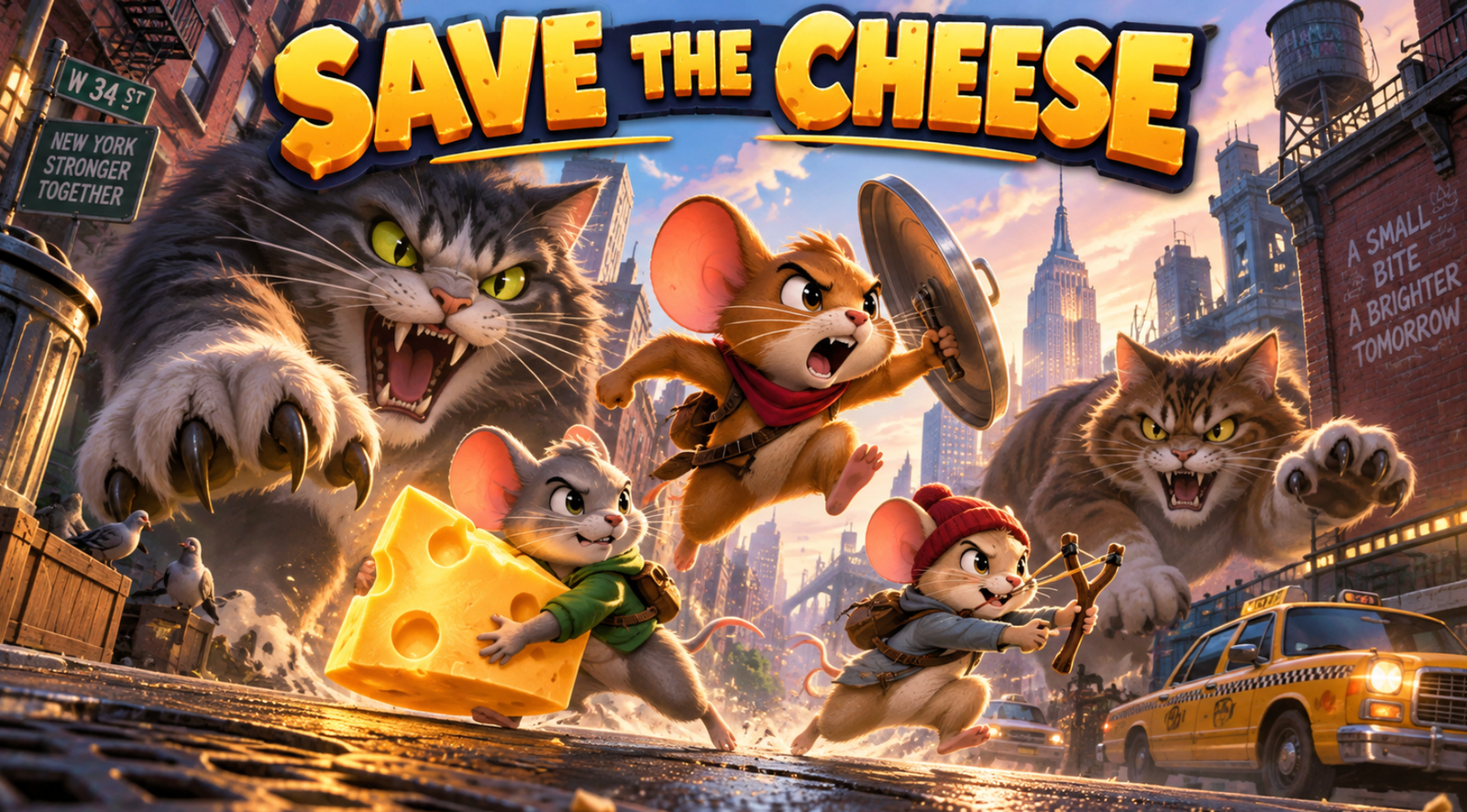
How many people do you need to build a complex video game?

I'm launching a video game in 2027 and when I started I had a different view of how it will be build and how long I will take to build one. You see, I was already building small 2d video games way before AI and I have a small team and knawladge in the field. But I think this is a useful way to understand what AI and how it is changing the industry, because now when I talk with someone - they think, that now with 2 prompts you can build anything, including games :)
Take Horizon Forbidden West, developed by Guerrilla and published by Sony. Its development reportedly took five years, involved over 300 full-time staff and cost $212 million. Source
That scale makes sense when you look at what needs to work together: a huge world, characters, animation, combat, dialogue, music, quests and thousands of interactions.
Even the original Sonic the Hedgehog, created by Sega in 1991, had a core team of seven. Small teams making remarkable games existed long before AI. Source
So what has changed?
Today, one experienced developer can use a game engine, reusable assets and AI assistance to explore an idea with much less manual work. Tools such as Unity’s AI assistant can help write scripts, modify scenes and create early prototypes. Source
For a tightly scoped demonstration, such as one character, one small level and one core mechanic, I would consider one to three people working for days or weeks a reasonable starting estimate. That is a planning assumption, not a guaranteed delivery time.
A finished game with Horizon’s depth and polish still needs substantial specialist capacity and years of work. A playable demonstration and a complete commercial game are very different milestones.
If I were starting today, I would build one small, enjoyable experience first:
• Make movement feel good.
• Add one satisfying challenge.
• Build one level around it.
• Let people play it.
• Expand what they enjoy.
AI can help with implementation and iteration. People still need to make the creative decisions, connect the systems and check that the game actually works.
For me, the biggest shift is how much you can test before committing to a large team. That honestly saves a ton of money and TIME! More founders and small teams can now turn an idea into something people can experience - and this is brilliant. That makes it easier to learn what deserves the next month of work, the next hire and the next investment in your business.
NExt year I will talk about - how to get people to play your game :D I think this will be a challange - not the build ing part :D
1reading now
Get an email when Tomaś publishes