Building an app is now like opening a bar
Anyone can open a bar, it’s easy to open but very hard to manage it, bring clients and build trust, and that’s why most of them are empty.
With AI - software has become the same “bar business”. You can build an app in one evening, add Stripe payments, and launch it . The reason I write this cause in the last few weeks my Linkedin feed has filled up with the same joke: a customer cancels the app, and the founder replies, “Thanks. You were our only client.”
I don’t find it funny, because I’ve been that founder. Only my empty app was a real bar (Bar4Soul), with full-time employees to pay and 30k of debt for rent and to the companies that delivered our drinks and food.
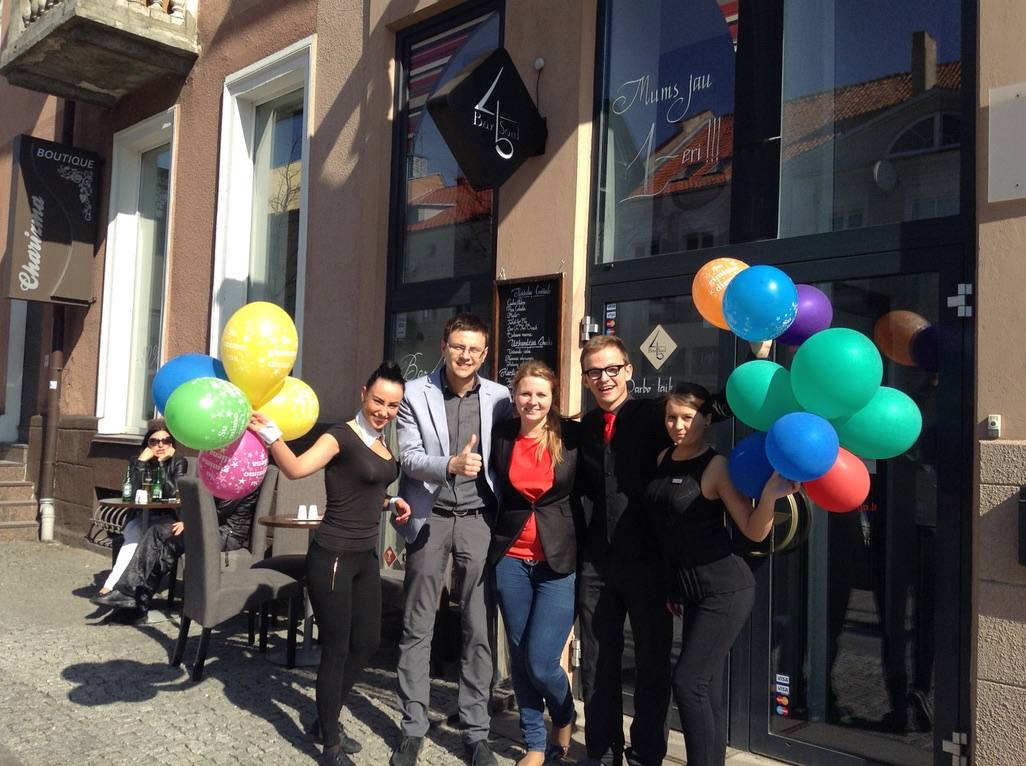
Back in 2012. The first birthday of the bar - bar4soul and the golden team with me. Most of people around me today don't even know it ever existed.
I got out of it. The bar made a profit and I sold it. And nothing that saved it had anything to do with the location or the interior. Here is what did, and at the end a 1-minute quiz to see if your app is moving in the right direction, or is an empty bar right now.
"Do you have cocktails?"
Before I opened, I asked the people around me what our city was missing. I worked in radio then, so I asked radio hosts and marketing people I worked with. Most of them said something like a place with a good wine and nice food.
So that’s exactly what I built. A beautiful wine restaurant. They came once.
Then stranger after stranger walked in, looked at the wine list and asked, “Do you have cocktails?”
I heard that question for two or three months. It cost me around 30 to 45 thousand before I was brave enough to change everything and build the place people actually wanted to be in. Thanks to Edvinas Sinkevičius, who took on the hard part: moving from wine to cocktails, training the team, and doing it in record time.
And this is where a lot of app founders are right now. Your friends liked the idea and maybe someone commented on your post - “brilliant idea”, but not one of them paid. And somewhere in your inbox a stranger asked for something you don’t have, and you explained to him why your way is better.
I did the same thing for months - with wine.

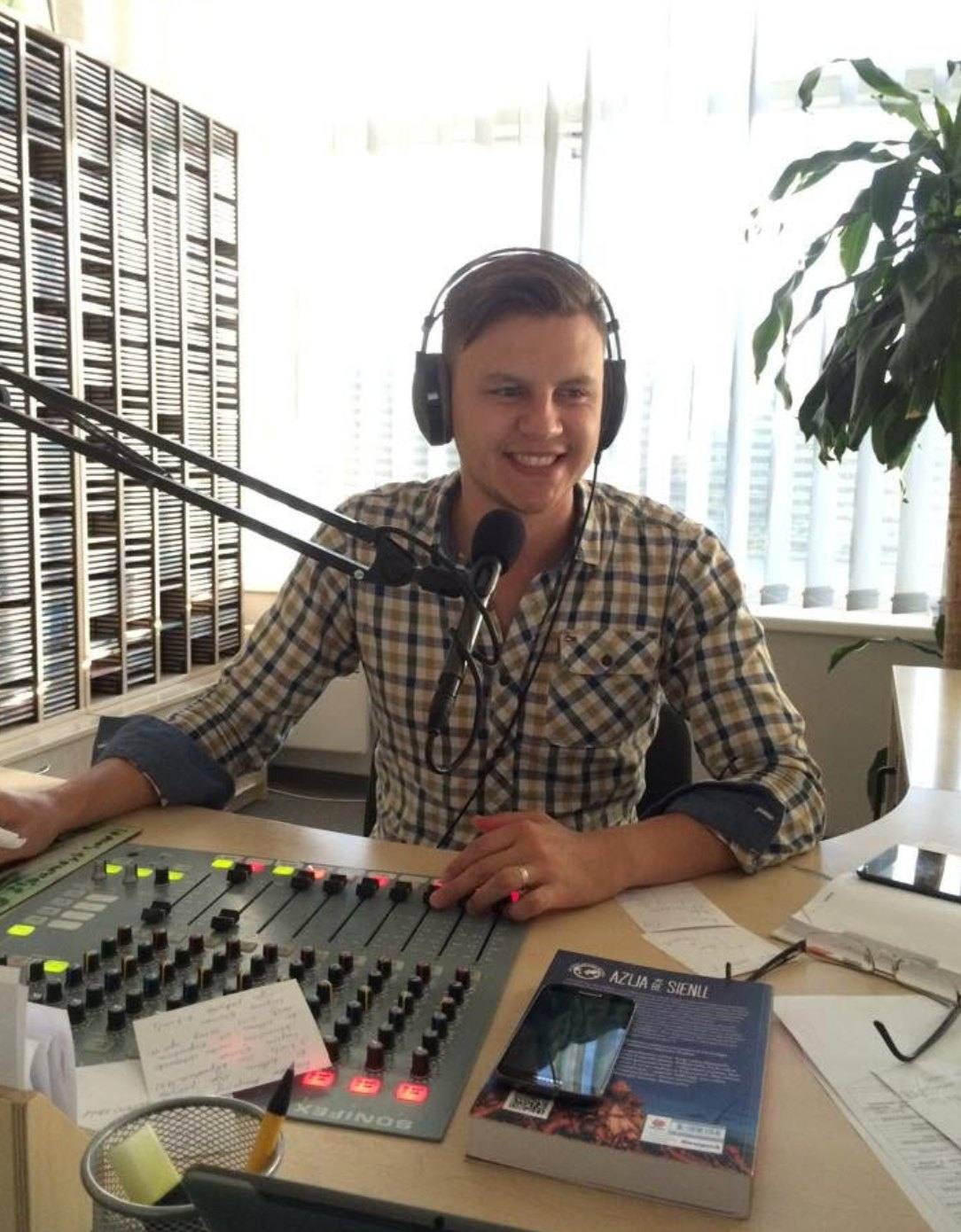
Me at the radio station back then. 10 years in a radio and I could only found a few images. Need to take more pictures.
Five nights of nothing
We changed almost everything, from the food and drink menu to the marketing. 35 cocktails, burgers, a real bar. People started to notice the new place, but it still took time and a bit of confusion, and at first it filled up only on Fridays and Saturdays. The other five nights were still empty.
You still are burning money, but now at least you knew what worked and what didn’t. For the next year and a half we kept trying things. Some worked, most didn’t. On evenings when something was happening, live music or stand-up, people booked a table and stayed. So we stopped having normal evenings. Something was happening on every single night.
Your app has empty days too. Someone signs up, looks around, and has no reason to open it again. People don’t come back for features. They come back because something is happening there on a day they remember.
And when something isn’t working, change it. My hard lesson: never wait longer than three months when, as Kevin O’Leary says, you are bleeding money. I would add, and time. Kill what doesn’t work and try something different.
But most of the time you don’t need to change everything. I love the example of a combination lock: if it doesn’t open, you don’t change all four numbers. Maybe only one or two are wrong. So try more things, think differently, ask others what isn’t working, or stand in your customer’s shoes and give yourself the advice you would give them.
Then I paid people to dance
Even then, the first hour of the night was killing us. A group opens the door, sees an empty room, and goes somewhere else.
Juozas Matulevicius my friend and a founder of HBH, a very successful restaurant, once told me that people go where other people already are. His own version was more direct: men are the ones who spend the money, and they go where they can meet girls. I could spend an hour on his advice alone.
That’s what pushed me to hire people to be there. They danced, they drank cocktails, they had a great evening, and I paid for it. When real guests opened the door, the party had already started.
Yes, I was 30,000 in debt and paying people to have fun in my bar. Sounds insane, but it worked.
Now look at your app the way a stranger does. No reviews, no testimonials, no reason to trust something you’ve never heard of. The last post about it on your social media is three weeks old. That’s my Bar4Soul back then: lights on, nobody inside.
And please don’t get me wrong, you don’t need to fake anything. You need a plan to get ten real people in the room before you invite the eleventh, and then you need to act on it.
"I like you, man, but..."
By the way, none of that fixed my debt. One day the supplier’s manager sat down with me and said, “Look, I like you, man, but we can’t keep serving you with this debt.”
The same evening he called me back: “I think we’ve found a way to keep working with you. What do you think if we...” His company could give us marketing money that we could use however we needed, to pay them and even some of our other suppliers. In exchange, their logo would go on everything in my bar.
I had always been fair and polite with those managers, including the months when I had nothing to give them. I think that is the only reason he went looking for a way.
A year and a half after opening, the bar was in profit. A few months after - I sold it and moved the money to another business we still running till these days.
What I'd say to the founder with a single customer
AI made building apps and software almost free. It didn’t make anything else free.
And software is a sexy industry, just like bars and restaurants. Who doesn’t want to have their own app? 😁 Of course the industries are different. One is super scalable, the other is a physical place. But the rules that worked back then still work today, just on a different playground.
Getting people to join your app, start using it and even pay for it, in other words filling the room, is still work you do by hand. Listen to strangers, not friends. Give people a reason to come back on a normal weekday. Fill the room before you invite strangers. And treat the people around you well before you need them.
So when I see the founder with one customer, I don’t laugh. I was there for months. What matters is what you do next.
Is your app an empty bar? 1 minute, 6 questions
How many real users does your app have right now?
- 0
- 1 to 10
- 10 to 100
- 100+
- Paying users
What did you build?
- Shopify app
- Mobile app
- SaaS or web app
- Not launched yet
Have at least 5 strangers (not friends) tried it and told you what they think?
- Yes
- Not sure
- No
In the last 2 weeks, did you change something because a user asked for it?
- Yes
- Not sure
- No
Does a new visitor see that other people already use it?
- Yes
- Not sure
- No
Is there one reason for users to come back on a set day every week?
- Yes
- Not sure
- No
Your result
Let's fill some rooms.
Post your app in the comments: one line on who it's for, and the link.
I'll open the first 10 and tell you honestly what I expected to find, the way a stranger would. And if you see someone else's app below, try it. Be their first stranger.
What is your "do you have cocktails?"
Some of the photos and videos in this piece come from media, YouTube and social media posts from those years. If you see yourself in one and would like it removed, just message me and I’ll take it down.
FYI - every week I share one real story like this, about what keeps a business owner valuable when AI can copy almost everything.
If you're on PUBlish, press Follow. If you're not, subscribe below with your email - no account needed.
1reading
Written by
 Darius BaltunisCEO & Founder43 pieces · 145 followers
Follow Darius to see new posts in your feed, on your phone or by email.
Also on YouTube189 subscribers