Stop waiting for more
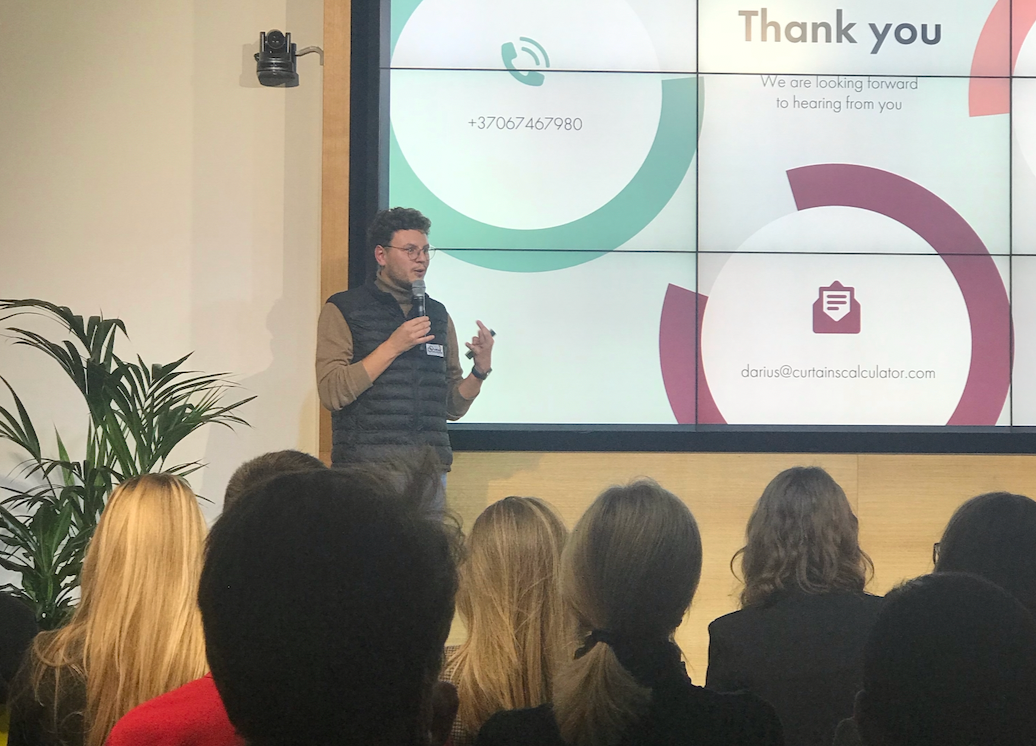
After the conference I was invited to by Darius Baltunis I kept thinking about one idea he shared. It was based on a very old story from the Bible, but he turned it into something much more practical for business. I liked it because it was simple and, honestly, quite uncomfortable.
The idea is that we all have different "talents". Not just money, but skills, experience, customers, relationships, knowledge, reputation, technology or even just time. We don't all start from the same place, and honestly - we never will. And the important question is not how much you have. It is what you do with what you already have. Think a bit abotu this after you will read the post till the end.
Some people take what they have and put it to work. They try things, make mistakes, find customers, build relationships and create something from it. Then they take the result and use it to create something bigger. That creates a simple loop: you take an asset, put it to work, get a result, reinvest the result and create a bigger asset.
It sounds obvious, but I think a lot of us do the opposite. We keep waiting. We wait until we have more money, more knowledge, more customers, a better product, a bigger team, the right opportunity.
And while we are waiting, what we already have is sitting there doing nothing. That really made me think. Maybe the question should not be "What am I missing?" Maybe it should be "What do I already have that I am not using properly?"
Your first customer can help you get the next five. Your knowledge can become content. Your network can create introductions. Your existing customers can create referrals. Your experience can become a product or a service. Even a small amount of money can be used to test something and create more money.
You don't need to start with a lot. You need to start with something and make it work. I think this is one of the biggest differences between people who keep moving forward and people who stay stuck. They don't necessarily have better starting conditions. They simply keep putting what they have to work.
So this is probably the thing I am taking away from Darius Baltunis 's idea. Stop worrying so much about what you don't have. Look at what you already have. Then ask yourself: how can I multiply it? Because maybe the next level is not somewhere outside. Maybe it is already sitting in your hands, and you just haven't put it to work yet.
1reading now
Get an email when Lars publishes